
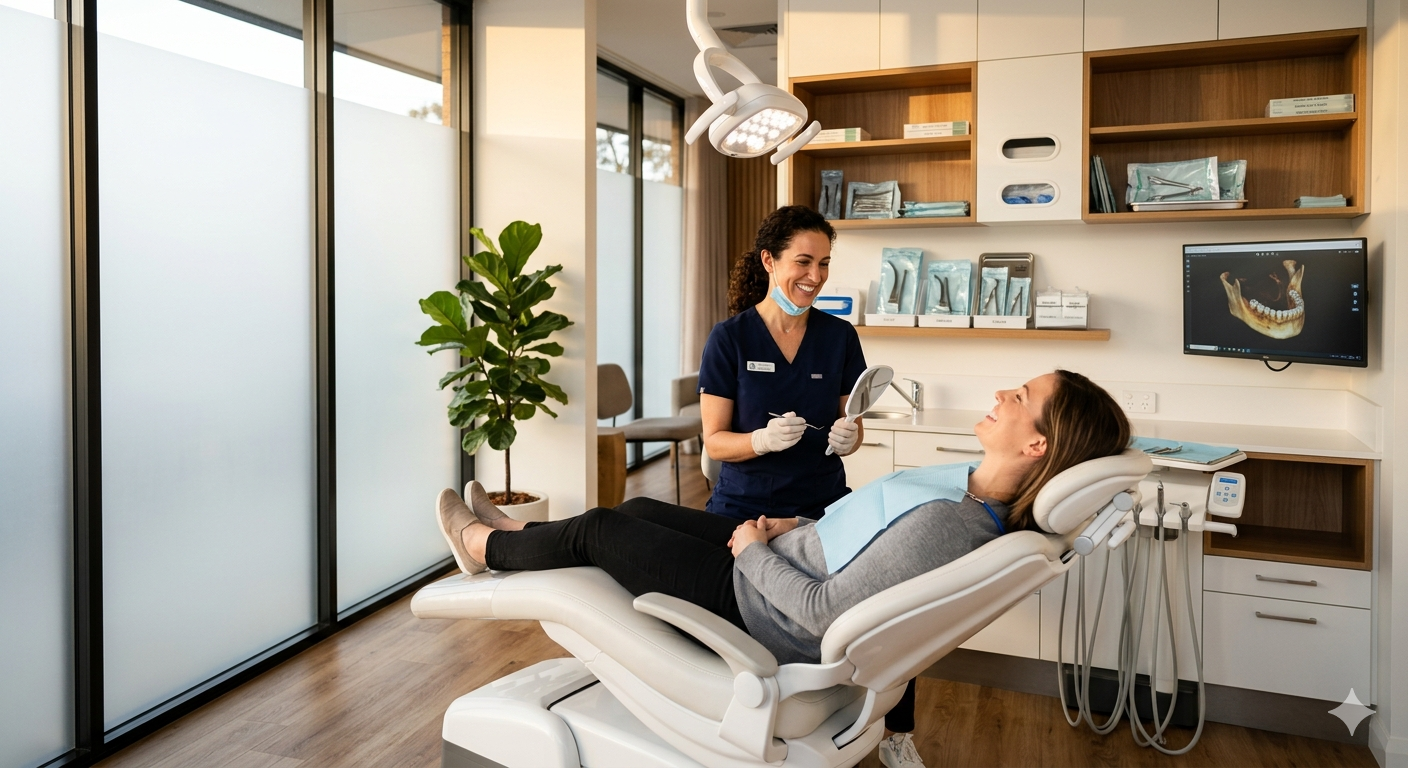
If dental visits make someone anxious, sedation dentistry in Marietta, GA can make care calm and manageable. Sedation options—from mild nitrous oxide to deeper oral or IV sedation—help people relax so dentists can deliver safe, efficient treatment with less stress.
This post explains why anxiety happens, which sedation types suit different needs, what to expect during appointments, and how modern safety standards protect patients. It also shows how to find a local dental team that prioritizes comfort and restores confidence so someone can get the care they need without dread.
Understanding Dental Anxiety
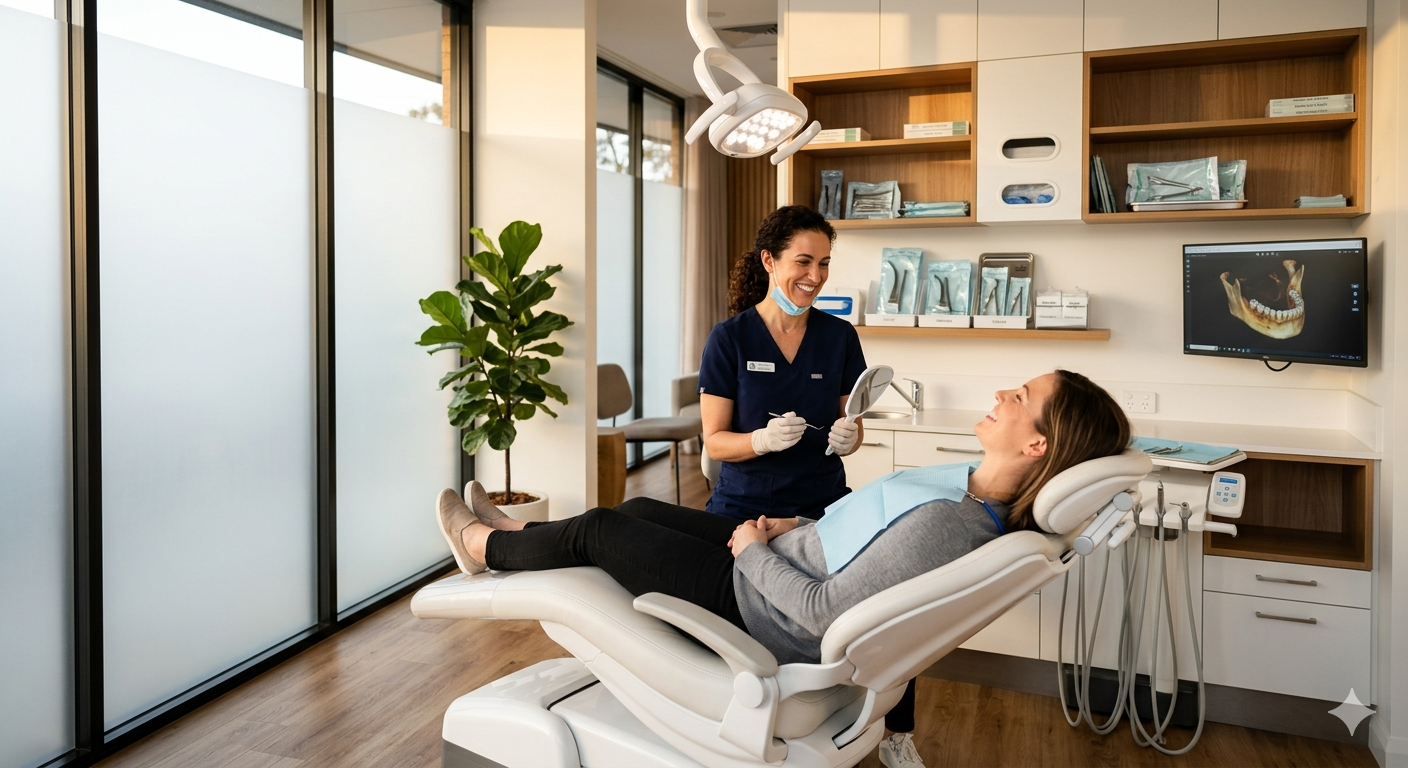
Dental anxiety often stems from specific past experiences, fear of pain, or worries about loss of control. It affects dental visit frequency, treatment choices, and how patients respond in the chair.
Common Causes of Dental Fear
Many patients trace fear to a painful or uncomfortable past appointment, such as a tooth extraction or an emergency root canal with inadequate pain control. Others became anxious after witnessing a loved one’s traumatic dental event or seeing distressing media portrayals of dental procedures.
Medical and psychological factors also contribute. People with needle phobia, generalized anxiety disorder, or sensory sensitivities may find dental environments overwhelming. Poor communication from a previous dentist — unclear explanations, rushed visits, or lack of empathy — amplifies distrust.
Practical concerns appear frequently: fear of gagging, difficulty keeping the mouth open, or claustrophobic sensations under bright lights. Financial stress and worries about treatment costs and unexpected procedures add a separate layer of anxiety.
Impact on Oral Health
Avoiding dental care because of fear causes measurable oral-health decline. Skipping routine cleanings and exams leads to plaque buildup, progressing cavities, gum disease, and higher risk of tooth loss.
Delayed treatment often means procedures become more complex and expensive. For example, a small cavity ignored for years can turn into an infected tooth requiring root canal treatment or extraction and implant placement.
Anxiety-related avoidance also affects overall health. Untreated periodontal disease links to systemic conditions like diabetes and heart disease. Functional problems — chewing difficulty, altered nutrition, and reduced self-confidence — further reduce quality of life.
Recognizing Signs of Anxiety
Patients often show physical cues: sweating, rapid breathing, trembling hands, or an elevated heart rate in the waiting room. They may arrive late, cancel frequently, or insist on minimal treatment during visits.
Behavioral signs include silence, refusal to ask questions, or repeatedly checking the door. Some patients over-prepare by researching procedures obsessively; others minimize symptoms and downplay pain to avoid appointments.
Verbal cues matter. Statements like “I can’t handle drills” or “I hate needles” indicate specific triggers. A dentist who notes these signs can adapt the approach — offering extra explanation, scheduling shorter appointments, or discussing sedation options to improve comfort and compliance.
Types of Sedation Used in Dentistry
Patients can choose from several sedation options that vary by depth of relaxation, administration route, and recovery time. Each method balances comfort, safety, and practicality for common procedures like fillings, extractions, and root canals.
Nitrous Oxide (Laughing Gas)
Nitrous oxide is a colorless gas delivered through a small mask over the nose that produces mild to moderate relaxation. Patients remain awake, can follow instructions, and usually feel less anxious and less sensitive to pain.
Onset is rapid—typically within 2–5 minutes—and effects wear off quickly after the mask is removed, allowing most patients to drive themselves home. Side effects are generally mild (nausea, lightheadedness) and rare when administered by trained staff.
This option suits anxious patients who want to avoid oral sedatives or IV access. It is safe for most adults and older children, but pregnant patients in the first trimester or those with certain respiratory conditions should discuss alternatives.
Oral Conscious Sedation
Oral conscious sedation uses prescription pills (commonly benzodiazepines like diazepam or triazolam) taken before the appointment to produce moderate sedation. Patients stay responsive but feel drowsy, calm, and may have limited memory of the procedure.
Onset depends on the drug and timing—usually 30–90 minutes—and effects can last several hours. Patients must arrange for a responsible adult to drive them home and should avoid eating or operating machinery for the rest of the day.
This method works well for longer procedures and for patients with moderate dental anxiety who prefer a pill over injections. Providers assess medical history, current medications, and liver/kidney function to choose a safe dose.
IV Sedation Methods
IV sedation delivers sedative medications directly into a vein, producing rapid, adjustable, and often deep sedation. Providers can titrate the drug to achieve minimal to deep sedation; patients commonly have little or no memory of the procedure.
Recovery varies by drug but typically requires monitoring for 30–60 minutes and prohibits driving for 24 hours. Vital signs are continuously monitored, and an experienced clinician or anesthesiologist typically administers IV sedation.
This method suits complex or lengthy procedures, patients with severe anxiety, or those who need complete stillness. It carries greater risks than nitrous or oral sedation, so thorough preoperative assessment and post-procedure instructions are essential.
Who Can Benefit from Sedation Options?
Sedation dentistry can ease fear, minimize movement, and allow longer or more complex procedures to be completed in fewer visits. It tailors comfort levels from mild relaxation to deeper sedation, depending on the patient’s needs and medical history.
Patients with Severe Anxiety
Patients with diagnosed dental phobia or severe situational anxiety often avoid care until pain forces treatment. Sedation reduces the fight-or-flight response, making routine cleanings, deep restorations, or extractions manageable. Oral sedatives (pill taken before the visit) provide mild to moderate relaxation and are convenient for short procedures. Nitrous oxide (“laughing gas”) offers rapid onset and recovery, so patients can drive themselves home in many cases. For those whose anxiety is extreme, IV sedation delivers deeper, adjustable sedation under continuous monitoring; this requires medical clearance and recovery time. Dentists in Marietta typically review medical history, current medications, and vital signs to choose a safe option that keeps the patient calm while maintaining necessary protective reflexes.
People with Sensitive Gag Reflexes
A hyperactive gag reflex can make impressions, X-rays, or back-of-mouth restorations intolerable. Sedation helps by lowering sensitivity and suppressing reflex pathways, allowing precise work without repeated triggers. Topical anesthetics and behavioral techniques help some patients, but moderate oral or nitrous oxide sedation often gives the reliability needed for successful impressions, crown preparations, and endodontic access. For extensive restorative or prosthetic cases, IV sedation can permit longer appointments without gagging interruptions. Providers assess the reflex’s severity and coordinate sedation with positioning, breathing techniques, and local anesthesia to minimize discomfort and achieve accurate results.
Children and Special Needs Patients
Pediatric patients and individuals with developmental or cognitive disabilities may struggle with cooperation, fear, or sensory overload in the dental setting. Sedation enables safe, efficient care—often completing multiple treatments in a single visit and reducing repeated trauma from unfinished procedures. For children, behavior guidance combines with nitrous oxide or oral sedation; general anesthesia is reserved for extensive treatment or when medical status warrants it. For patients with autism, cerebral palsy, or severe intellectual disabilities, individualized plans consider communication methods, seizure history, and medication interactions. Collaboration with guardians and, when needed, medical specialists ensures sedation choices prioritize safety, predictability, and a calmer experience during dental care.
What to Expect During a Sedation Appointment
This section explains how patients prepare, what happens during the visit, and practical aftercare steps to ensure a smooth, comfortable experience.
Preparation and Safety Measures
Patients receive a pre-appointment phone call to confirm medical history, current medications, and any allergies. They are asked about heart conditions, pregnancy, sleep apnea, and recent illnesses because these affect sedation choices.
Instructions typically include fasting for 6–8 hours before IV or oral sedation; clear liquids may be allowed up to two hours prior for certain medications. A responsible adult must accompany the patient and stay until discharge; the patient should not drive, use heavy machinery, or make important decisions for 24 hours.
The dental team reviews consent forms and explains the sedation plan: medication type, expected effects, and monitoring procedures. Staff verify blood pressure, pulse, and oxygen levels before starting and use continuous monitoring during the procedure to ensure safety.
Step-by-Step Visit Overview
Arrival: the patient checks in, reviews paperwork, and changes into a clinic gown if needed. The clinician places an IV or administers oral sedative depending on the planned depth of sedation.
Induction: with IV sedation, effects begin within minutes; with oral sedatives, onset is slower (30–60 minutes). The team communicates what the patient will feel and keeps noise and lighting gentle to reduce anxiety.
Procedure: the dentist performs the treatment while the patient remains relaxed or drowsy. Continuous monitoring of vital signs and occasional verbal checks ensure the patient’s stability. Adjustments to sedative levels are made as needed.
Recovery: after the procedure the patient moves to a recovery area and rests until alert enough to sit up and follow simple commands. The clinician reviews what was done, provides written aftercare instructions, and discusses any temporary sensations like dry mouth, grogginess, or mild nausea.
Post-Treatment Care Tips
Someone must drive the patient home and stay with them for several hours. Activities that require full attention—work, childcare, signing legal documents—should be avoided for 24 hours after moderate sedation.
Follow prescribed pain-relief and antibiotic schedules precisely. Use soft foods and avoid hot beverages until numbness from local anesthesia wears off to prevent bites or burns. If swelling or bleeding occurs, apply ice packs in 10-minute intervals and contact the office if bleeding persists beyond a few hours.
Watch for warning signs such as difficulty breathing, severe vomiting, high fever, or uncontrolled bleeding. Contact the dental office or seek emergency care if these occur. For routine concerns—mild nausea, drowsiness, or a sore throat—follow the provided home-care sheet and call the office with questions or to schedule a follow-up.
Safety and Modern Standards of Care
This section explains how modern sedation dentistry uses strict protocols, certified staff, and continuous monitoring to keep patients safe and comfortable. It highlights the training, equipment, and specific practices that reduce risk during procedures.
Monitoring and Professional Training
Dental practices in Marietta follow American Dental Association (ADA) and state guidelines requiring continuous monitoring during any sedation. Providers use pulse oximetry, capnography, blood pressure cuffs, and ECG when indicated to track oxygen levels, ventilation, circulation, and heart rhythm in real time.
Staff administering moderate or deep sedation are typically licensed dentists or anesthesiologists with additional sedation certification, Advanced Cardiac Life Support (ACLS) or Pediatric Advanced Life Support (PALS) when treating children, and regular emergency-response drills.
Before sedation, clinicians perform a written medical history review and ASA (American Society of Anesthesiologists) classification to gauge risk and select an appropriate sedative dose.
Facilities maintain emergency equipment on-site—oxygen, suction, reversal agents (like flumazenil for benzodiazepines), and automated external defibrillators (AEDs). Staff document monitoring data and recovery status until patients meet objective discharge criteria.
Addressing Common Safety Concerns
Patients often ask about breathing problems, allergic reactions, and waking during treatment. To prevent respiratory depression, clinicians adjust sedative choice and dose by weight, age, medical conditions, and concurrent medications, and they use capnography to detect hypoventilation early.
Allergy and drug-interaction risks drop when dentists review prescriptions, over-the-counter drugs, and supplements ahead of time; they also keep emergency medications and protocols for anaphylaxis ready.
“Awareness” during sedation is rare when providers use appropriate drug levels and monitoring. For higher-risk cases or long procedures, practices refer patients to hospital-based anesthesia or board-certified anesthesiologists.
Clear pre-op instructions—fasting times, medication adjustments, and transport arrangements—reduce complications after discharge and ensure a safer recovery at home.
Finding the Right Dental Team in Marietta
Patients should look for a team that prioritizes comfort, communicates clearly about sedation options, and demonstrates proven safety practices. Practical details like staff training, office hours, insurance handling, and patient reviews matter as much as the dentist’s credentials.
Qualities of an Understanding Dental Provider
An understanding dental provider listens to fears and adapts care to each patient’s needs. Staff should ask about previous dental experiences, medical history, and specific anxieties before recommending nitrous oxide, oral sedatives, or IV sedation.
Look for formal training in sedation dentistry — certifications from organizations such as the American Dental Society of Anesthesiology or CERP courses — and evidence of emergency preparedness. The office should display current ACLS/BLS certifications, maintain resuscitation equipment, and run regular emergency drills.
Comfort-focused touches matter: private consultation rooms, clear consent paperwork, and staff who explain step-by-step what to expect. Positive, recent patient reviews that mention calm, pain-free visits and transparent billing are strong indicators of an empathetic practice.
Questions to Ask at Your Consultation
Ask which sedation levels the dentist offers and which they recommend for the planned procedure. Request specifics: drug names, dosages, monitoring protocols, and how long effects last.
Confirm provider qualifications: inquire about formal sedation training, how often they perform sedated procedures, and their emergency response record. Ask who monitors vitals during sedation and whether an anesthesiologist or certified nurse is present for deeper sedation.
Clarify logistics: pre- and post-op instructions, required escort home, fasting rules, and any interactions with current medications. Verify insurance coverage, out-of-pocket estimates, and available payment plans so there are no surprises.
Restoring Confidence Through Comfortable Dentistry
Sedation dentistry helps patients feel calm and safe during dental visits. They experience less fear, which makes it easier to complete necessary treatments without delay.
Many procedures become tolerable with sedation — from routine cleanings for anxious patients to more involved restorations. The dental team customizes sedation level based on medical history, procedure length, and the patient’s comfort needs.
Patients often report less remembered discomfort and a quicker return to everyday activity after procedures. This reduces avoidance behavior and encourages regular care, which improves long-term oral health.
Common sedation options include nitrous oxide (laughing gas), oral sedatives, and IV sedation. Each option balances depth of relaxation with recovery time; the dentist explains benefits and risks to help patients choose.
Practical supports further boost confidence: pre-visit consultations, clear post-op instructions, and a calm office environment. These small steps make the dental experience predictable and respectful of patient concerns.
Bold, modern restorative techniques — like tooth-colored fillings, crowns, and implants — restore function and appearance while minimizing visits when combined with sedation. Patients leave with improved comfort and a renewed willingness to maintain oral health.
If anxiety or past negative experiences keep someone from care, a consultation can clarify options and build a personalized plan. Encourage them to ask questions and schedule a visit to discuss sedation and restorative choices.
Frequently Asked Questions
This section answers common cost, safety, preparation, and insurance questions about sedation dentistry in Marietta, GA. It explains typical fees, sedation types, suitability for anxiety or gag reflex, insurance coverage, pre-appointment steps, and the 2-4-6 fasting guideline.
How much does sedation typically cost for a dental visit?
Costs vary by sedation type and procedure complexity. Nitrous oxide often runs $25–$75 per visit, oral conscious sedation typically costs $100–$300, and IV sedation usually ranges $300–$800 or more for longer procedures.
Prices can differ by practice and whether the fee is per appointment or per hour. Patients should request a written estimate for the specific procedure and sedation level.
What types of sedation are available, and which one is right for my comfort level?
Common options include nitrous oxide (laughing gas), oral conscious sedation (pills), and IV sedation. Nitrous works well for mild anxiety and shorter visits, oral sedation suits moderate anxiety or multiple appointments, and IV provides deeper sedation for complex procedures or severe anxiety.
A consultation with the dentist or anesthesiologist determines the best choice based on medical history, procedure length, and comfort goals. They will explain expected awareness level, recovery time, and risks for each option.
Can I still be safely sedated if I have anxiety, a strong gag reflex, or trouble getting numb?
Yes. Sedation often helps patients with anxiety, gag reflexes, or difficulty achieving local anesthesia. Nitrous and oral sedation commonly relax the gag reflex, while IV sedation and certain adjunct techniques improve anesthesia success for sensitive patients.
The dental team reviews health history, medications, and past reactions to anesthesia to ensure safety. They may coordinate with a physician for medical clearance when necessary.
Will my dental insurance help cover sedation, and what should I ask my provider to confirm?
Insurance coverage depends on policy and whether sedation is deemed medically necessary. Ask the insurer if they cover sedation for dental procedures, whether they require preauthorization, and if coverage differs between nitrous, oral, and IV sedation.
Request information about out-of-pocket limits, coding requirements (e.g., sedation CPT or CDT codes), and whether the dentist must document medical necessity. Keep a record of approvals and written estimates.
What should I do to prepare for a sedation appointment, and will I need someone to drive me home?
Follow the dentist’s pre-op instructions exactly, including fasting rules, medication guidance, and arrival time. Patients should wear loose clothing, bring a list of current medications, and plan for post-op recovery time.
Yes—patients receiving oral or IV sedation must arrange a responsible adult to drive them home and stay with them for several hours. Nitrous oxide patients often can leave unaccompanied once alert and cleared by staff.
What does the “2-4-6 rule” mean for eating and drinking before sedation?
The 2-4-6 rule sets fasting windows to reduce aspiration risk: no solid food for 6 hours, no formula or dairy for 4 hours, and no clear liquids for 2 hours before sedation. Clear liquids include water, apple juice, and black coffee without cream.
Specific instructions can vary with medication or medical conditions, so patients should confirm exact fasting times with their dentist. Failure to follow the rule may result in rescheduling the appointment.
Questions or concerns about any item above should be discussed directly with the Marietta dental office to tailor instructions and ensure a safe, comfortable visit.