
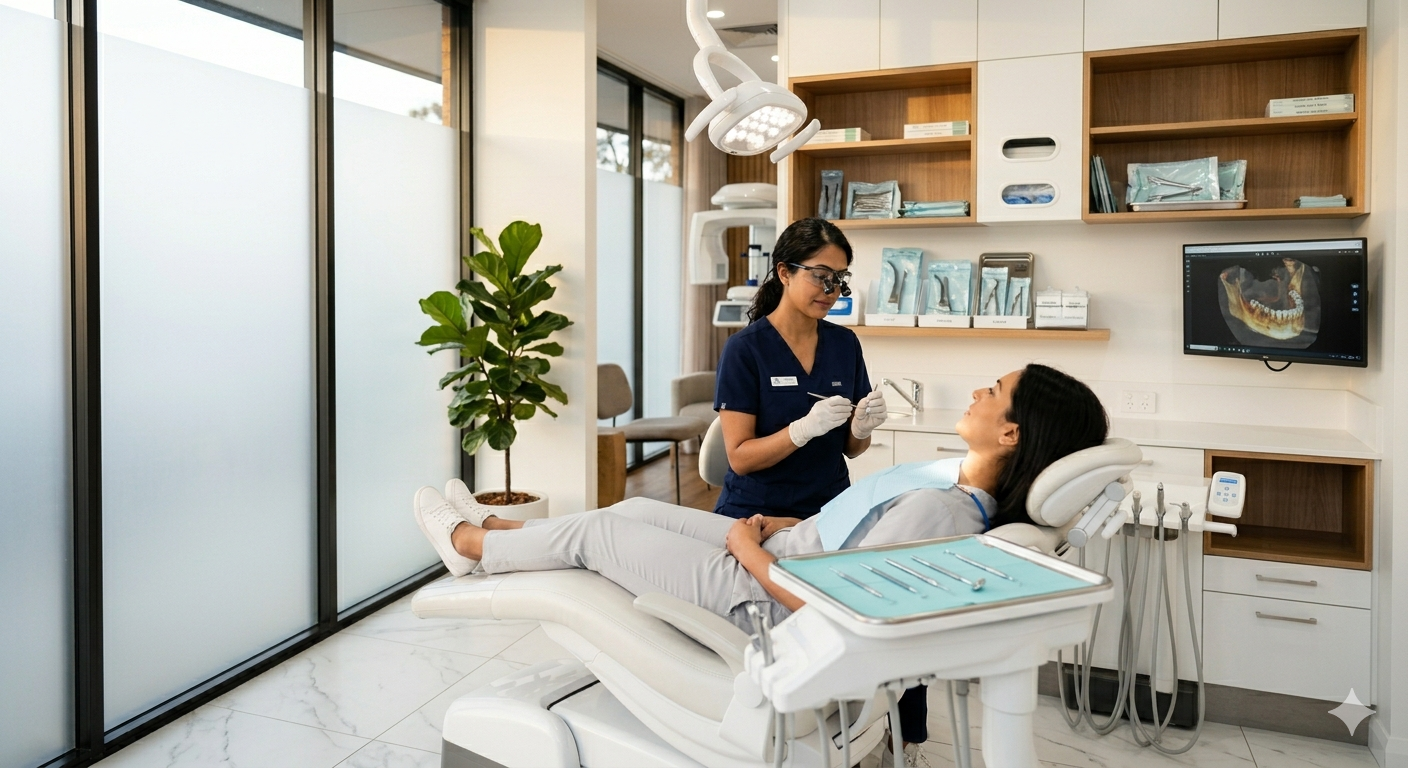
Dental crowns in Marietta, GA, are a reliable solution for restoring damaged or weakened teeth. They provide a protective cover that strengthens the tooth and improves its appearance. Crowns help patients maintain their natural smile by fixing issues like cracks, decay, or worn-down teeth without removing the entire tooth.
Many dental offices in Marietta offer modern crowns made from durable materials that look natural and last for years. The process is designed to be comfortable, often requiring just a couple of visits. Patients appreciate how crowns not only protect teeth but also restore confidence in their smile.
For anyone dealing with tooth pain or noticeable damage, exploring crown options can be a smart step. Local dentists focus on personalized care, ensuring each restoration fits perfectly and feels comfortable. It’s a good idea to reach out with questions or schedule a consultation to learn what crown treatment might look like.
What Are Dental Crowns?
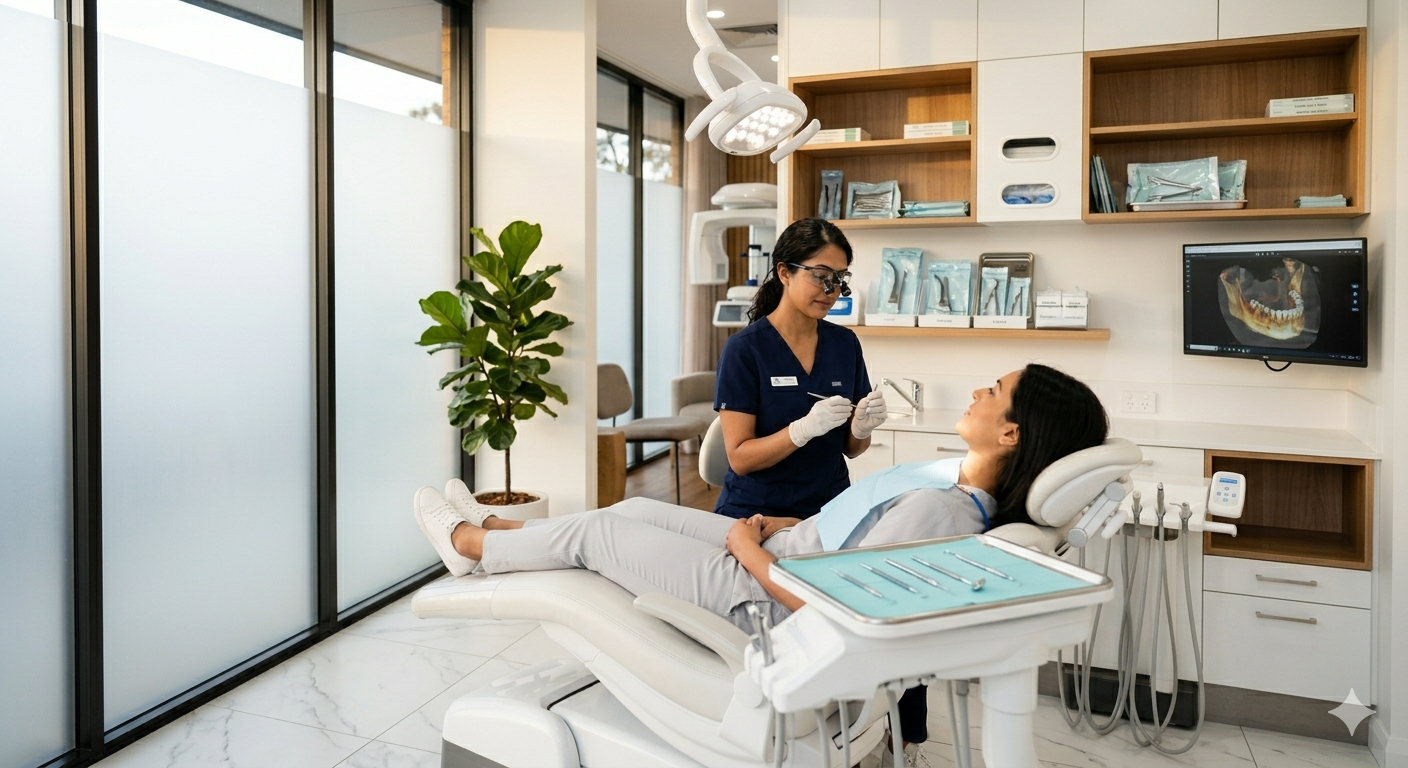
Dental crowns are protective caps placed over damaged or weakened teeth. They restore a tooth’s shape, strength, and function while improving its appearance. Crowns can be custom-made from various materials to match natural teeth, ensuring comfort and a secure fit.
When You Might Need a Dental Crown
A dental crown is often recommended when a tooth has significant decay that cannot be restored with a filling alone. It’s also used after root canal treatment to protect the fragile tooth structure. People with large fillings, cracked or broken teeth, or worn-down teeth may benefit from crowns.
Crowns can improve chewing ability and prevent further damage. They also cover and support teeth with missing areas, helping maintain proper alignment. In some cases, crowns are placed over dental implants to replace missing teeth.
Types of Dental Crowns Available
Several types of crowns are available, each with distinct advantages:
- Porcelain: Best for front teeth due to their natural look.
- Ceramic: Offer good aesthetics and are metal-free, ideal for patients with allergies.
- Metal: Include gold or other alloys; very durable and suitable for back teeth.
- Porcelain-fused-to-metal (PFM): Combine strength and natural appearance but may show a dark line near gums.
Dentists choose the crown type based on tooth location, patient preferences, and budget. Modern materials provide options that balance strength and appearance effectively.
Benefits of Dental Crowns in Marietta, GA
Dental crowns offer solid solutions for those dealing with damaged or weak teeth. They restore function while improving appearance, making them a popular choice among patients in Marietta looking for reliable dental care.
Restoring Strength and Function
A dental crown acts as a protective cover, reinforcing teeth that are cracked, worn, or broken. By fully encasing the damaged tooth, it restores strength and prevents further deterioration, allowing patients to chew and speak comfortably again.
Crowns also help with teeth affected by large fillings or root canals, where natural structure is compromised. In Marietta, local dentists use durable materials like porcelain or metal alloys to ensure crowns handle daily wear without discomfort or breaking.
Patients often notice immediate improvement in bite stability and overall oral function. This restoration reduces sensitivity and protects the tooth from bacteria, which lowers the risk of future dental problems.
Enhancing Your Smile’s Appearance
Dental crowns improve how teeth look by covering chips, discoloration, or misshapen surfaces. They are custom-made to match the color, size, and shape of your surrounding teeth, blending naturally into your smile.
For residents of Marietta concerned about aesthetics, crowns provide a discreet way to get a brighter, more uniform smile without harsh dental work. Modern technology lets dentists create crowns that reflect light like natural enamel, ensuring they don’t stand out.
This cosmetic benefit boosts confidence during social interactions or professional settings, helping people feel comfortable showing their teeth. Crowns can also close gaps and correct minor alignment issues when combined with other dental treatments.
Understanding the Dental Crown Procedure
Dental crown treatment involves several careful steps designed to restore the strength, appearance, and function of a damaged tooth. Each phase ensures the crown fits well and feels natural, keeping discomfort to a minimum.
Initial Consultation and Assessment
The process begins with a thorough dental exam. The dentist evaluates the tooth’s condition, checking for decay, cracks, or previous fillings that might affect the crown.
X-rays are often taken to examine the roots and surrounding bone. This helps determine if a root canal or additional procedures are needed before placing the crown.
During this visit, the dentist discusses material options like porcelain, metal, or zirconia, explaining benefits based on durability, aesthetics, and budget. This conversation ensures the patient feels informed and comfortable with their choices.
Preparing Your Tooth for a Crown
To make room for the crown, the dentist reshapes the tooth by removing a thin layer of enamel. This step is essential to allow the crown to fit snugly without affecting the bite.
If the tooth is severely damaged or decayed, the dentist may build it up with filling material to support the crown properly. This stabilization helps the crown last longer.
Impressions or digital scans are then taken to capture the tooth’s exact shape. These are sent to a dental lab where the crown is custom-made to match surrounding teeth in size, shape, and color.
Fitting and Placement Process
Once the crown is ready, the dentist checks its fit and appearance against the natural teeth. Adjustments may be made to ensure comfort and proper bite alignment.
When both patient and dentist are satisfied, the crown is cemented onto the tooth using a strong dental adhesive. The dentist removes any excess cement and confirms that the patient can bite and chew without issues.
Follow-up visits might be recommended to monitor the crown’s function and address any sensitivity that occasionally occurs after placement.
Choosing the Right Dental Crown Material
Selecting the best material for a dental crown depends on factors like strength, appearance, and location in the mouth. Each option offers different benefits, from natural looks to long-lasting durability.
Porcelain Crowns
Porcelain crowns are known for their excellent appearance. They mimic the natural color and translucency of teeth, making them a popular choice for front teeth. Porcelain is stain-resistant and blends seamlessly with surrounding teeth.
However, porcelain crowns are less durable than metal-based options. They might chip or crack under heavy biting forces, so they’re often recommended for patients who do not have strong grinding habits. Porcelain crowns require careful care but offer a natural smile that’s hard to distinguish from real teeth.
Ceramic Crowns
Ceramic crowns are similar to porcelain but tend to be stronger and more wear-resistant. They are metal-free, appealing to patients with metal allergies or those wanting fully natural-looking restorations. Ceramics are biocompatible and cause minimal gum irritation.
These crowns can be matched precisely to tooth shade and are great for both front and back teeth. Ceramic crowns combine beauty and durability, suiting many patients’ needs. They resist staining but may require regular dental checkups to ensure longevity and fit.
Metal and Porcelain-Fused-to-Metal Options
Metal crowns, often made from gold or other alloys, excel in strength and durability. They withstand heavy chewing forces and rarely chip, making them a top choice for molars. However, their metallic color makes them less appealing for visible teeth.
Porcelain-fused-to-metal (PFM) crowns combine metal’s strength with porcelain’s appearance. The metal base provides stability, while the porcelain coating offers a natural look. PFMs can wear down opposing teeth more than all-ceramic crowns and may sometimes show a dark line near the gums over time. They balance aesthetics and function well for many patients.
Patient Comfort and Modern Techniques
Dental crowns in Marietta, GA, are designed with patient comfort in mind, using the latest methods to reduce anxiety and improve treatment accuracy. These advances make the experience smoother, faster, and less stressful for patients of all ages.
Pain-Free Dentistry and Sedation Options
Many dental offices now offer pain-free treatments to make crown placement as comfortable as possible. Local anesthesia effectively numbs the area, ensuring patients feel minimal discomfort during the procedure.
For those with dental anxiety, sedation options like nitrous oxide (laughing gas) or oral sedation are available. These help patients stay calm and relaxed without losing full consciousness. Sedation is carefully monitored to keep patients safe and comfortable throughout.
Dentists also use gentle techniques and supportive care to ease feelings of fear, helping make the visit stress-free from start to finish.
Digital Impressions and Advanced Technology
Traditional impressions can feel messy and uncomfortable. Many dentists in Marietta now use digital impressions, which capture precise images of the teeth using a small wand-like scanner. This process is quicker, cleaner, and more accurate.
Advanced technology also helps create crowns that fit perfectly the first time. CAD/CAM systems design and mill crowns onsite, reducing the wait for permanent restorations. This means fewer appointments and less time with temporary crowns.
Together, these technologies improve the fit and durability of dental crowns, enhancing long-term comfort and function.
Caring for Your Dental Crown
Proper care keeps dental crowns strong and looking natural for years. Paying attention to daily habits and protecting the crown from damage helps maintain its function and appearance over time.
Everyday Maintenance Tips
Brushing twice a day with a soft-bristled toothbrush is essential. Use fluoride toothpaste to strengthen both the crown and nearby teeth. Floss daily, sliding gently between teeth to avoid dislodging the crown or irritating gums.
Rinsing with an antibacterial mouthwash can reduce plaque buildup around the crown. Avoid sticky or hard foods that might pull or crack the crown. Drinking plenty of water also helps wash away food debris and acid.
Regular dental check-ups allow professionals to monitor your crown’s condition and clean areas you might miss at home.
How to Make Your Crown Last
Avoid chewing on ice, pens, or anything hard, as it can chip or break the crown. If you grind your teeth, wearing a nightguard protects both natural teeth and crowns from excessive wear.
If the crown feels loose or causes discomfort, see a dentist promptly to prevent further issues. Maintaining good oral hygiene and addressing any dental problems quickly extends the crown’s lifespan.
Choosing a dentist who uses modern materials and techniques also influences how long your crown will last under everyday use.
Why Choose a Marietta, GA Dentist for Crowns?
Selecting a local dentist in Marietta for dental crowns offers personalized care and a deep understanding of community needs. The close connection between patients and dental professionals in this area ensures tailored treatment plans focused on comfort and long-term results.
Local Expertise and Community Care
Dentists in Marietta are familiar with the specific dental health trends affecting their community. They often see common issues like wear from local diets or lifestyle habits, allowing them to recommend crown materials and techniques suited to those needs.
This local knowledge extends to staying updated on the latest dental technologies available within the region. Marietta dentists typically offer state-of-the-art options, such as ceramic crowns designed for durability and a natural look.
Patients also benefit from convenient office locations and flexible scheduling, reducing the stress of multiple visits. This accessibility encourages regular checkups, which help maintain dental crowns and overall oral health.
Building Trust with Your Dental Team
Trust is key when choosing a dentist for crowns, given the investment in both time and care. Marietta dentists often build long-term relationships with patients, fostering a sense of comfort and reliability.
They take time to explain procedures, materials, and expected outcomes clearly. This transparency helps patients feel informed and confident about their treatment choices.
Many local dentists also emphasize patient comfort, offering sedation or pain management options tailored to individual anxiety levels. This focus on easing fears helps create a welcoming environment where patients are more likely to follow through with necessary dental care.
Cost and Insurance for Dental Crowns
Dental crown costs in Marietta, GA, vary widely depending on materials, dental office, and procedure complexity. Insurance coverage differs as well, so it’s important to understand both pricing factors and how insurance can help with out-of-pocket expenses.
Understanding Pricing in Marietta, GA
In Marietta, dental crowns typically range from $800 to $1,500 per crown. Porcelain and ceramic crowns tend to be on the higher end, while metal or porcelain-fused-to-metal (PFM) crowns usually cost less.
Additional costs might include:
- Initial consultation fees
- X-rays or scans
- Temporary crowns
- Possible root canal treatment before the crown
Many dental offices offer payment plans or financing options to spread out costs over time. Prices can also fluctuate based on the individual dentist’s experience and the lab they use for crown fabrication.
Navigating Insurance Coverage
Most dental insurance plans cover about 50% to 80% of crown costs if deemed medically necessary due to decay or damage. Cosmetic crowns, however, are often excluded from coverage.
Key points for insurance include:
- Check your specific plan for crown benefits and limits
- Confirm if pre-authorization is needed
- Understand yearly maximums which can affect coverage
- Keep in mind deductibles and co-pays may apply
Patients should contact their insurer directly or ask their dental office for help verifying coverage. Doing so can prevent unexpected expenses and clarify what portion will be billed to the patient.
Next Steps: Scheduling Your Consultation
When considering dental crowns in Marietta, GA, the first step is setting up a consultation with a trusted dentist. This visit allows the dentist to evaluate your specific needs and discuss the best treatment options tailored for you.
During the consultation, the dentist will examine your teeth and may take X-rays to get a clear picture of your oral health. They will answer any questions you have and explain how crowns can restore your smile and protect your teeth.
To prepare, it’s helpful to bring a list of your current medications and any dental concerns you want to address. You might also want to write down questions about materials, costs, and the timeline for your treatment.
What to expect at your consultation:
| Step | Detail |
|---|---|
| Initial exam | Visual check and X-rays |
| Treatment discussion | Crown types and materials explained |
| Questions answered | Personalized advice and care instructions |
Scheduling can typically be done by phone or through the dental office’s website. Many practices in Marietta offer flexible hours to fit busy schedules.
Encouraging patients to ask about financing or insurance options can help make the process smoother. Taking this step brings you closer to improving your dental health with confidence and comfort.
Frequently Asked Questions
Dental crowns serve different needs depending on the condition of the tooth and patient preferences. Understanding the treatment process, materials, and care helps patients make informed decisions with confidence.
How do I know if I need a crown instead of a filling?
If a tooth is severely decayed or cracked, a filling might not provide enough support. Crowns cover the whole tooth, offering stronger protection when damage is extensive.
A dentist will assess the tooth’s structure and recommend a crown if it can prevent further damage or restore function better than a filling.
What does getting a crown feel like, and will it hurt?
During the procedure, local anesthesia prevents pain, so patients usually only feel pressure or movement. Some mild soreness after the treatment is normal but fades quickly.
Most find the process comfortable, especially with a dentist who explains each step clearly and ensures patient ease throughout.
How long do dental crowns typically last with good care?
With proper brushing, flossing, and regular dental visits, crowns can last 10 to 15 years, sometimes longer. Avoiding hard foods and habits like teeth grinding helps extend their life.
Routine check-ups catch issues early, preventing potential crown damage before it becomes serious.
Which crown material is best for me—porcelain, zirconia, or gold?
Porcelain looks most natural, matching your tooth color, ideal for front teeth. Zirconia is very durable and less likely to chip, suitable for back teeth. Gold is strong and long-lasting but stands out visually.
The choice depends on aesthetics, durability needs, and budget, which your dentist will help you weigh carefully.
Can a crown be done in one visit, or will I need multiple appointments?
Some dental offices use advanced technology to create and place crowns in a single visit using 3D scanning and milling machines. Traditional methods usually require two visits: one to prepare the tooth and take impressions, and another to place the crown.
Your dentist will discuss the best option based on your specific case and the technology available.
How should I care for my crown at home to prevent future problems?
Brushing gently twice daily and flossing around the crown prevents plaque buildup. Avoid biting hard objects and use a night guard if you grind your teeth.
Regular dental cleanings and check-ups keep the crown and surrounding teeth healthy long-term.