
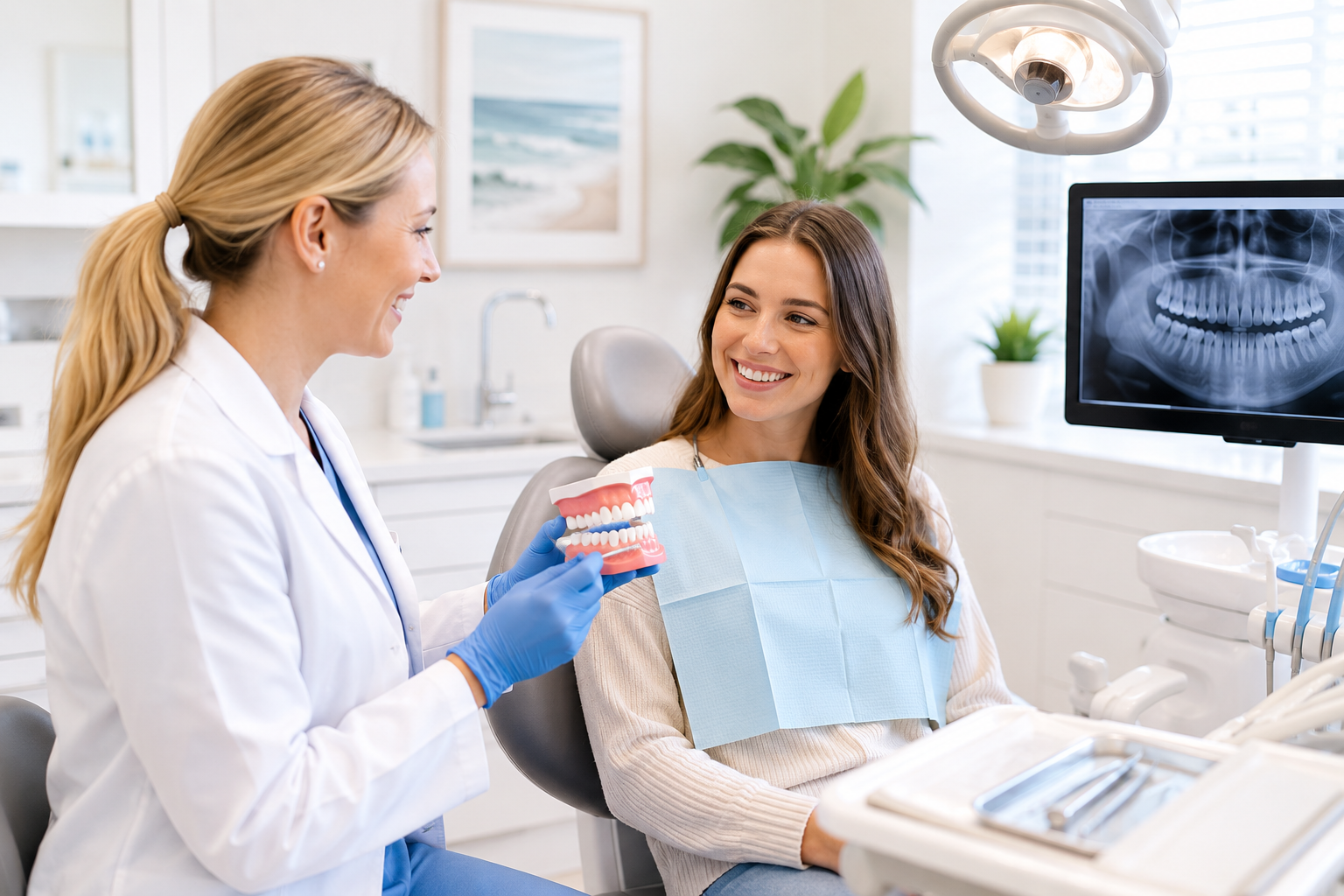
You’ll find affordable dental care in Marietta, GA, without sacrificing quality or comfort. Local clinics, community programs, and flexible payment options make it possible to get routine cleanings, fillings, and preventive care at prices that fit most budgets.
Start by exploring sliding-scale clinics, community dental events, and dentists who offer in-office financing or membership plans to lower upfront costs. These options help you keep up with preventive visits and avoid costly problems later.
They’ll explain insurance, payment plans, and low-cost services in plain language, help you build a budget-friendly care plan, and make your first appointment stress-free so you can protect your smile without breaking the bank.
Understanding Dental Care Costs
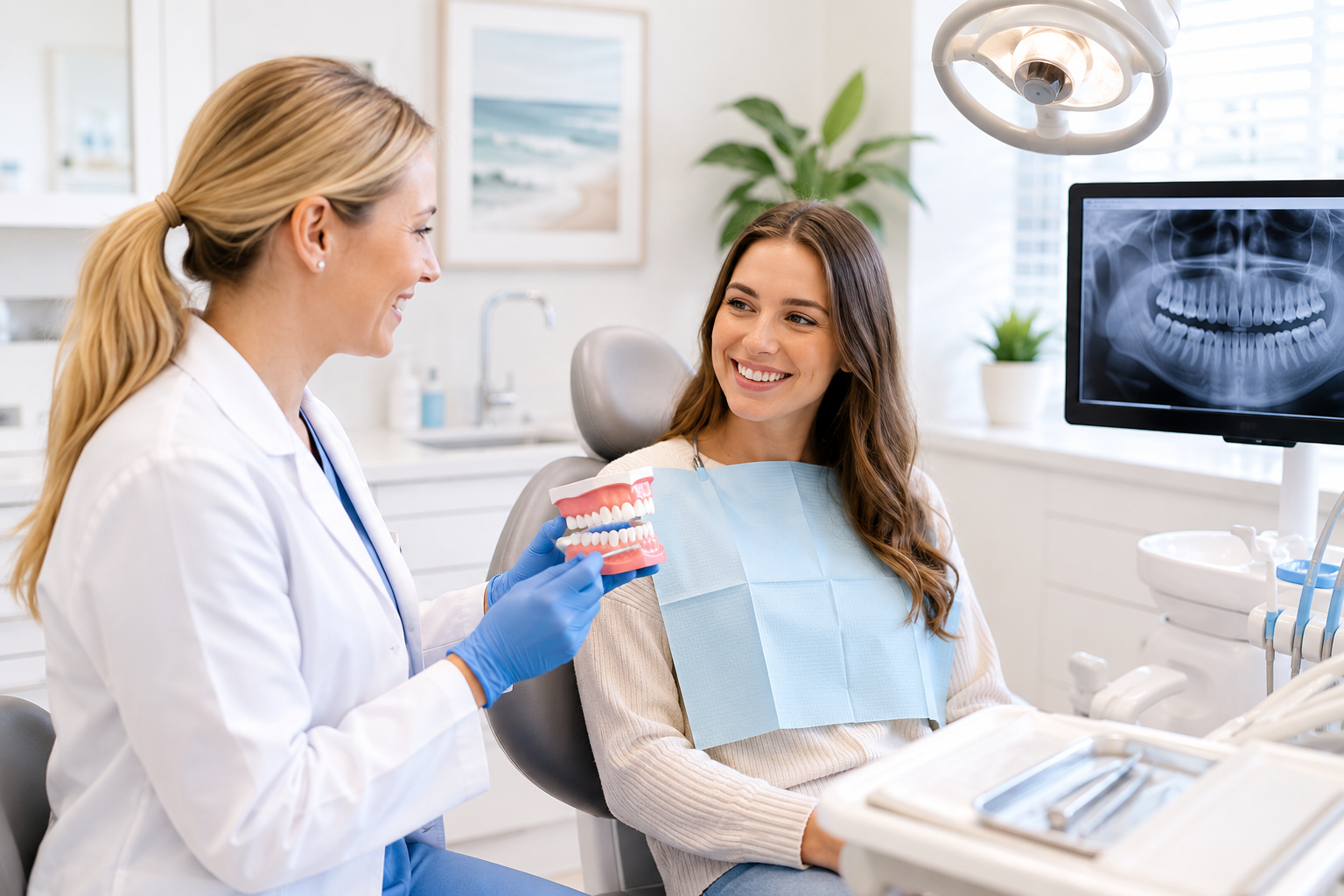
This section explains what drives the price of dental work, how to weigh different treatment choices, and common misunderstandings that can affect affordability. It focuses on practical details patients in Marietta, GA can use when planning care.
Factors That Influence Dental Pricing
Location and overhead matter: a downtown Marietta office with extended hours will typically charge more than a small practice in a strip mall because rent and staff costs are higher. Dentist experience and specialist status also raise fees; an oral surgeon’s extraction cost will exceed a general dentist’s simple extraction.
Material and lab costs affect restorations. Porcelain crowns, zirconia crowns, and lab-processed veneers each have distinct price points tied to materials and lab time. Technology influences price too: offices using digital scanners, CBCT imaging, or 3D printing may charge more but often reduce appointment count and improve fit.
Case complexity changes estimates. A straightforward filling differs from a root canal with post and crown. Patient-specific factors — medical history, allergic reactions, and bone density for implants — can require extra procedures that increase cost.
Insurance coverage and in-office financing alter out-of-pocket amounts. Preventive care usually has better coverage than cosmetic work. Many practices in Marietta offer payment plans, sliding scales, or membership plans to spread costs.
Comparing Treatment Options
Compare short-term cost versus long-term value. For example, a silver amalgam filling is less expensive upfront than a composite, but composite prevents microleakage and may reduce future replacement costs. Evaluate lifespan and warranty: crowns typically last 10–15 years; implants often last longer but cost more initially.
Consider conservative alternatives. Root canal plus crown often saves a tooth and avoids extraction plus implant or bridge, which combine surgical and prosthetic fees. When facing tooth loss, compare an implant (surgical fee, implant body, abutment, crown) to a bridge (multiple crowns, possible root canal on adjacent teeth) and note maintenance differences.
Ask for itemized estimates and phased treatment plans. Itemization shows prosthetic, lab, surgical, and anesthesia charges separately, making it easier to shop or apply insurance. Seek second opinions for high-cost treatments; another dentist may propose a less invasive, lower-cost option.
Common Misconceptions About Affordability
Many believe low price equals low quality. In Marietta, some clinics keep costs down through efficient workflows, membership plans, and negotiated lab fees rather than by cutting clinical standards. Verify credentials, read reviews, and ask about sterilization and warranty policies to judge value.
Another misconception: insurance covers everything. Insurance often caps restorative and prosthetic benefits annually and usually excludes cosmetic procedures. Patients should confirm coverage limits, waiting periods, and frequency rules (e.g., two cleanings per year).
People often think payment plans are predatory. Reputable practices offer transparent financing with fixed terms, 0% interest options, or third-party lenders. Compare interest rates and total repayment amounts, and prioritize treatment that prevents future, more expensive problems.
Ways to Maintain Oral Health on a Budget
Routine habits, affordable products, and timely preventive care prevent costly treatments later. Small, consistent changes to daily brushing, flossing, and dental visit choices protect teeth and gums without breaking the bank.
Importance of Preventive Dental Visits
Preventive visits catch decay and gum disease early, cutting treatment costs. A basic checkup and cleaning every six months often costs far less than fillings, root canals, or extractions that result from delayed care.
Many clinics in Marietta, GA offer sliding-scale fees, dental school appointments, or community clinic discounts. Patients should call ahead to ask about payment plans, reduced-fee days, or membership plans that bundle cleanings and exams.
Bring a list of current medications and any dental symptoms to each visit. That lets the dentist prioritize issues, order targeted X-rays only when needed, and avoid unnecessary tests or repeat visits.
Daily Oral Hygiene Tips
Brush twice daily for two minutes with a soft-bristled brush and fluoride toothpaste to reduce cavities and plaque buildup. Use short, gentle strokes and angle the brush at 45 degrees to the gumline for effective cleaning without damage.
Floss once daily to remove interdental plaque that brushing misses; waxed floss or floss picks can be easier for patients with tight spaces or dexterity limits. An antimicrobial mouthrinse can help reduce bacteria for people with gum inflammation or higher cavity risk.
Limit sugary drinks and frequent snacking; choose water and fiber-rich snacks like apples or carrots. Drinking tap water with fluoride and rinsing after acidic foods lowers enamel erosion and keeps preventive care affordable.
Choosing Cost-Effective Products
Select fluoride toothpaste with the ADA Seal and a soft-bristled brush; these match professional recommendations and cost little. Electric toothbrushes with replaceable heads can be a good long-term investment for those who benefit from improved plaque removal.
Buy floss in bulk and consider generic antimicrobial rinses when a brand-name product costs more. Check ingredient lists—basic active ingredients like cetylpyridinium chloride or chlorhexidine (by prescription) indicate effectiveness.
Use a basic interdental cleaner or dental pick if flossing is difficult, and replace toothbrushes every 3 months or after illness. Local pharmacies and discount stores in Marietta carry recommended products, and many dentists can point to specific, budget-friendly choices during an exam or cleaning.
Low-Cost Dental Services Available Locally
Local options make dental care more affordable through sliding fees, discounted plans, and supervised student care. Readers will find clear details on community clinic eligibility, how discount plans work, and where teaching clinics in Marietta offer lower-cost services.
Community Clinics and Health Programs
Community clinics in Cobb County and nearby Atlanta provide sliding-scale fees based on income and household size. WellStar and Cobb & Douglas Public Health sometimes partner with nonprofit programs to offer routine exams, cleanings, and extractions at reduced rates; patients should bring proof of income and ID.
Some clinics offer mobile dental events or pop-up clinics at churches and community centers. These events often handle basic preventive care and urgent toothaches; appointments can fill quickly, so calling in advance or signing up online helps secure a slot.
Patients eligible for Medicaid should verify provider participation, as not all local clinics accept every plan. For uninsured adults, clinics often prioritize urgent needs and may set up payment plans for more complex treatments.
Discount Plans and Specials
Dental discount plans in Marietta work like memberships: members pay an annual fee and receive fixed discounts on treatments. Typical discounts range from 10–60% for cleanings, fillings, crowns, and emergency visits. Compare specific networks and exclusions before enrolling, since some procedures (e.g., implants, specialty endodontics) may not be heavily discounted.
Many private practices run periodic promotions such as low-cost exam + X-ray bundles or free initial consultations for new patients. These offers often include digital X-rays and treatment estimates, helping patients plan finances.
Ask practices about in-house financing, third-party dental financing (CareCredit, LendingClub), and bundled pricing for restorative work. Clear, written cost estimates and payment-options counseling reduce surprise bills.
Student or Teaching Clinics in Marietta
Teaching clinics affiliated with dental schools nearby — for example at Georgia Regents or Emory-affiliated programs that rotate into the region — provide care under licensed faculty supervision at reduced rates. Procedures often include exams, cleanings, fillings, root canals, and straightforward extractions.
Appointments typically last longer because students follow strict protocols and faculty review each case; this yields careful attention but requires scheduling flexibility. Expect lower fees and the possibility of multi-visit treatment plans when complex cases are handled as part of training.
Verify credentials and supervision levels before treatment, and request a written treatment plan and timeline. Many teaching clinics offer affordable radiographs, preventive sealants, and follow-up care included in the reduced fees.
Insurance and Payment Solutions
This section explains how patients can use dental insurance, split treatment costs, and join in-office plans to make care affordable. It highlights practical steps, typical coverages, and what to expect at check-in and billing.
Navigating Dental Insurance Benefits
Patients should bring their insurance card and a photo ID to the first visit to confirm eligibility and benefits. The front desk typically verifies coverage, checks annual maximums, deductibles, and network status, and provides an estimate for planned procedures.
Common coverages include preventive care (cleanings, exams, X‑rays) at 80–100%, basic procedures (fillings, simple extractions) often at 50–80%, and major services (crowns, root canals) with higher patient responsibility. Waiting periods can apply to restorative work; patients should ask how long before major benefits kick in.
Ask the office for a pre-treatment estimate or predetermination for complex cases. That document shows what the insurer will pay and what the patient owes, reducing surprise bills. If benefits deny a claim, staff can resubmit with clinical notes or help file an appeal.
Flexible Payment Plans
Many Marietta clinics offer in-house payment plans that split balances into 3–12 monthly payments with no interest or low interest for qualified patients. These plans usually require a minimal down payment and automated bank or card transfers.
Third-party financing options like CareCredit or LendingClub provide longer-term financing for larger cases such as implants or full-mouth restorations. Approval depends on credit; patients should compare interest rates, promotional terms, and total cost before selecting one.
For emergency care, ask about short-term options to address pain or infection immediately, then arrange phased treatment. Request a written payment schedule and keep copies of all invoices to track payments and insurance reimbursements.
Membership Programs
Several practices in Marietta offer membership or dental savings plans as alternatives to insurance. For an annual fee, members receive routine services—two exams, two cleanings, and X‑rays—often at no extra charge and reduced rates on restorative work.
Membership plans bypass insurance restrictions like waiting periods and preauthorizations. They work well for uninsured patients, families, or those whose insurance has poor preventive coverage. Verify which procedures get discounted and the exact percentage off major services.
Enrollment is typically immediate, and plans renew annually. Patients should compare annual fee plus anticipated out-of-pocket discounts to determine if the plan saves money versus paying per visit or using other financing.
Personalizing Your Dental Care Plan
Patients get practical, budget-minded plans that match their oral health status, schedule, and financial limits. Plans focus on prioritizing necessary care, using cost-saving combinations, and preventing future problems.
Tailoring Treatments to Your Needs
The dental team begins with a focused exam and digital X-rays to identify urgent issues like cavities or infection. They list treatments by priority — for example, treating active decay and gum disease before cosmetic work — so patients avoid emergency visits that cost more.
Insurance, budget, and medical history shape the plan. If a patient has diabetes, the dentist emphasizes periodontal therapy and more frequent cleanings. For anxiety, the practice suggests nitrous oxide or short sedation sessions and schedules longer appointments to reduce return visits.
Providers offer tiered material choices and timelines. A molar can receive a bonded composite filling now and a crown later, spreading cost without risking tooth health. Clear, written estimates and payment-plan options help patients compare immediate versus staged care.
Combining Treatments for Savings
Bundling services during the same visit reduces chair time and often lowers fees. For example, combining a deep cleaning on one quadrant with a necessary extraction in the same appointment can cut overall facility and anesthesia costs.
Dentists coordinate restorative work to avoid duplicate steps. Placing multiple fillings or completing implant planning and bone grafting in coordinated phases prevents repeated imaging and anesthesia charges. Practices will itemize savings so patients see the financial benefit.
Preventive add-ons deliver long-term value. Applying fluoride varnish or placing a night guard during restorative visits can protect restorations and reduce future repairs. Many clinics also offer membership plans that package exams, cleanings, and X-rays at a fixed annual rate for straightforward budgeting.
Finding a Dental Team You Trust
Finding a dental team that feels reliable starts with how they communicate. They should explain treatment options in plain language, outline costs up front, and listen to concerns without rushing the conversation.
Look for clear signs of professionalism and care. Reviews and patient testimonials show patterns, but an in-person visit reveals more: friendly staff, a calm office, and hygienists who take time to teach proper home care.
Verify qualifications and modern standards before booking major work. Confirm dentists are licensed, ask about continuing education, and check whether the office uses up-to-date sterilization and imaging equipment.
Consider practical factors that affect comfort and affordability. Does the practice offer payment plans, sliding-scale fees, or in-house membership plans? Are appointments available evenings or weekends for busy schedules?
Use a short checklist when calling or visiting:
- Ask about estimated costs for common procedures.
- Request information on payment options and insurance handling.
- Observe how the team explains preventive steps and follow-up care.
Trust builds from transparency and consistent, gentle care. A team that prioritizes patient education, comfort measures, and clear billing helps patients feel confident about both treatment and cost. They should invite questions and encourage scheduling a consultation to discuss needs and options.
What to Expect at Your First Appointment
Patients can expect a friendly welcome and a short registration process when they arrive. Staff will confirm medical history and insurance details, and they will answer questions about affordable payment options.
A clinical assistant typically takes vital signs and asks about symptoms. They may take X‑rays to get a clear picture of teeth and bone; digital X‑rays are quick and use less radiation.
The dentist performs a focused exam and explains findings in plain language. They point out any areas of concern, show images when helpful, and discuss treatment priorities and timing.
Preventive care and cleaning often follow the exam — a hygienist removes plaque and polishes teeth. They will demonstrate home care tips tailored to the patient’s needs and recommend products if useful.
If restorative work is needed, the dentist outlines options with estimated costs and timelines. They discuss insurance coverage, low‑cost alternatives, and financing plans so patients can make informed decisions.
Before leaving, patients receive a clear treatment plan and next‑step instructions. The office staff schedules follow‑ups and provides contact information for questions or to arrange affordable care.
Taking the Next Step Toward a Healthier Smile
Patients in Marietta can schedule a consultation to discuss costs, payment plans, and treatment priorities. A quick exam and X-rays usually clarify needs and set a realistic budget.
They should ask about sliding-scale fees, dental insurance acceptance, and in-house financing. Knowing these options helps avoid surprise bills and keeps care affordable.
Dentists often recommend prioritizing urgent issues first — pain, infection, or broken teeth — then plan preventive or cosmetic work. Spreading treatment over several visits can reduce monthly expenses.
Bring a list of medications, dental history, and any financial questions to the appointment. Clear communication lets the team tailor care and suggest less expensive alternatives when appropriate.
Patients who feel anxious should mention it when booking; many practices offer sedation options and extra chairside support. Comfort-focused care improves cooperation and outcomes.
Table of quick questions to ask the dental office:
- What are estimated costs for the exam and X-rays?
- Do you offer payment plans or sliding-scale fees?
- Which treatments can be prioritized or delayed safely?
- Are there lower-cost alternatives for my situation?
They should call or book online to get a pre-visit estimate and confirm appointment details. Encouraging a direct conversation with the clinic helps patients move confidently toward better oral health.
Frequently Asked Questions
This section answers practical questions about low‑cost options, local programs that help uninsured patients, payment plans, same‑day emergency care, finding gentle family dentists, and choosing a trustworthy practice near East Cobb or Roswell Road.
What are my options for getting quality dental care on a tight budget in Marietta?
Patients can choose community health centers, dental schools, and nonprofit clinics that offer reduced fees based on income. Sliding‑scale clinics like the Cobb & Douglas Public Health dental program and nearby dental school clinics often provide lower‑cost preventive care and basic restorations.
Many private practices also offer limited‑cost services such as exam and cleaning promotions for new patients. Compare prices for common procedures (cleaning, filling, extraction) by calling several offices to get estimates before scheduling.
Which local dental offices accept Medicaid or offer help for uninsured patients?
Count several orthodontic and general dental offices in Marietta that accept Medicaid; the Cobb County Public Health dental program lists participating providers. Federally Qualified Health Centers (FQHCs) and safety‑net clinics typically accept Medicaid and offer sliding‑scale fees for uninsured patients.
Contact the Georgia Department of Community Health or the clinic’s billing office to confirm current Medicaid participation and eligibility rules. Bring proof of income and ID to speed enrollment in assistance programs.
Do dental clinics nearby offer payment plans or in-house memberships to spread out costs?
Many Marietta practices provide interest‑free payment plans through third‑party financing companies like CareCredit or in‑office installment plans. In‑house membership plans commonly cover two cleanings per year, X‑rays, and discounts on procedures for a flat annual fee.
Ask offices for written fee schedules and sample monthly payments to compare total cost and terms. Verify whether financing requires a credit check and if any procedures are excluded from plans.
What should I do if I have a toothache or broken tooth and need an emergency visit today?
Call local dental practices and urgent dental clinics immediately and describe symptoms; many reserve same‑day slots for severe pain, swelling, or trauma. If swelling affects breathing or swallowing, go to the nearest emergency department right away.
For severe pain when an office is closed, use over‑the‑counter pain relief and rinse gently with warm salt water until professional care is available. Keep knocked‑out teeth moist in milk or saliva and bring them to the dentist within an hour for the best chance of reimplantation.
How can I find a family-friendly dentist who’s gentle with kids and nervous patients?
Look for practices that list pediatric services, behavior‑friendly techniques, and sedation options (nitrous oxide or oral sedatives) on their websites. Read patient reviews mentioning children, anxiety, and the staff’s bedside manner to gauge real experiences.
Schedule a short meet‑and‑greet appointment to observe staff interactions and office environment before committing to treatment. Ask about comfort measures like headphones, blankets, or stepwise visits for anxious patients.
What’s the easiest way to choose a trustworthy dentist near East Cobb or Roswell Road?
Verify credentials by checking the Georgia Board of Dentistry and look for dentists who are members of the ADA or Georgia Dental Association. Compare online reviews, but prioritize offices that publish clear fees, treatment plans, and before‑and‑after photos.
Call the office to ask about sterilization procedures, digital X‑rays, and emergency availability to assess professionalism. Schedule a routine exam to evaluate communication style and treatment transparency before starting major work.